Why the Best Alumni Programs Start at Intake
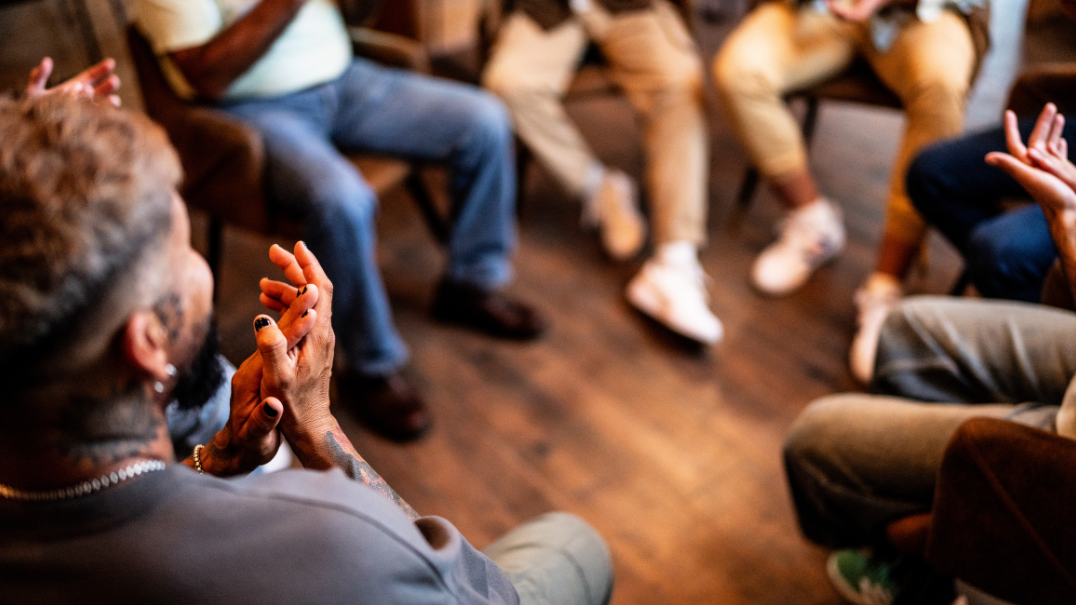
When Colton Morgan landed his first job in behavioral health, the facility handed him a spreadsheet with 6,000 names and told him to start calling. Three EMR transitions over five years had left no coherent picture of who these people were, where they’d gone, or how they were doing. The data had stopped at discharge, and so had the relationship.
He didn’t last long on the phones. What he did instead (build a weekly meeting, get people into service positions, grow a real community) ended up expanding that facility from a single 27-bed location to 12 locations and 395 beds in two years. Alumni, he later said, were the heartbeat of that growth.
Morgan went on to co-found Team Recovery, which Kipu Health acquired earlier this year. As he shared on our recent webinar, The Alumni Exit Gap, the problem he’d encountered at that first facility was not an anomaly. Fewer than 20% of admissions at the typical behavioral health facility come from alumni referrals or readmissions and clinical data stops flowing the moment a client walks out the door. Worst of all, typically the person hired to manage that relationship turns over every four months on average, right around the time they’ve finally learned the job.
To make the most of your alumni programs and improve care overall, you need an understanding why that pattern persists and what it takes to break it.
The Timing Problem
Ask yourself: does your organization treat alumni engagement as something you activate at discharge? The coordinator hands over the packet, somebody mentions the alumni group as part of a whole bunch of other discharge info, and maybe a phone number changes hands. Then the facility waits to see whether the phone rings.
By the time a client reaches that handoff, though, the window has largely already closed. They’re managing the anxiety of reentry, absorbing an enormous amount of information at once, and the details of a Thursday evening meeting are going to lose out to everything else competing for their attention in that moment.
Colton’s conclusion, after years of building alumni programs across the country, is that this is fundamentally a timing problem. “Alumni is not something that happens at discharge,” he says. “It’s something that happens on intake.” From the moment someone enters treatment, they’re forming bonds with their peers and with the clinical team around them. They’re watching what a recovery community looks like from the inside. That is the moment to make them part of one, not six weeks later when they’re standing at the door with their belongings.
Nolan Birchette, COO of Touchstone Recovery Center in Fresno, California, built this directly into his program’s intake workflow. Every client who reaches the outpatient level of care gets onboarded to the alumni platform before they graduate. That way, they’re still present, still engaged, still invested in the community they’re part of. “They know exactly what they’re getting into,” Birchette says. “It’s already familiar. They’ve been a part of it.”
What the Delay Costs
The case for solving this earlier than discharge is clinical before it’s financial. Eighty percent of clients at even the strongest treatment programs regress in symptomology within the first year after discharge. That regression rate reflects the nature of the population, and it means most clients will eventually need to return to care. When they do, the facility that treated them is the obvious place to go: the treatment history is there, the clinical relationships are there, the work that was already done doesn’t have to start over.
That’s only true if the connection has been maintained. Without a post-discharge infrastructure, the returning client often ends up somewhere else, and the original facility pays full acquisition costs to fill their spot with someone new. Both absorb a cost that didn’t have to exist.
Touchstone quantified what the alternative looks like. In 2024, 21.3% of their admissions came from alumni referrals or readmissions. After building a structured program with Team Recovery, that figure reached 33.7% in 2025 across a higher total admissions volume. The 39 additional admits that year, at roughly $20,000 in reimbursement each, produced a first-year return of approximately $740,000, all of it from staying connected to people the facility had already earned the right to serve.
The One Move to Make This Week
For programs where a full overhaul isn’t immediately on the table, the most actionable starting point is a weekly alumni meeting, held in the evening when people can actually attend and run by alumni rather than by staff. “People support what they create,” Morgan says. A meeting facilitated by a rotating case manager is a program activity, while a meeting led by people in recovery is a community. That distinction shapes everything about whether people show up.
Clients who take on a service position in the alumni community within 30 days of discharge are 40% more likely to attend alumni services over the following year. That engagement compounds as it grows: every person who stays connected makes the community more visible and more worthwhile to the next person who leaves treatment. The goal is to have current clients present at that weekly meeting while they’re still in care, so that graduation looks like a change in status rather than a separation from something they valued.
Why Coordinators Burn Out
The four-month tenure problem in alumni coordination has a structural explanation. The role as most facilities design it consists largely of cold calls to people who haven’t heard from the program in months and aren’t glad to be hearing from it now. There’s no visible result of the work because there’s no living community the work connects anyone to.
When the community is genuinely active, with current clients attending alumni meetings, alumni showing up to events and holding service positions, and milestones being recognized week over week, the coordinator’s job shifts to the part that actually requires a person: sustaining relationships, planning events, connecting people to each other. The platform handles assessments, automated check-ins, and outcomes data collection. Burnout is a property of the old model of the role. Birchette’s current alumni coordinator isn’t burning out. His read on it is direct: “Our alumni program is fun. It’s fun to work in.”
Where to Start
Regardless of your organization size or your scale, alumni engagement works when it’s woven into the treatment experience from the beginning, with current clients attending alumni events while still in care, getting onboarded to the alumni platform before discharge, and making the transition out of treatment feel like a step deeper into a community rather than a departure from one.
Start planning how you’ll create the infrastructure to build and sustain that: consulting to activate the alumni community, a HIPAA-compliant platform for ongoing engagement, and post-discharge outcomes data that flows directly into the clinical record.
Want to see what this could look like at your facility?
Request a personalized consult below.


Rely on Kipu to keep you ahead of change.
Subscribe to Kipu for behavioral health news, updates, community celebration, and product announcements.